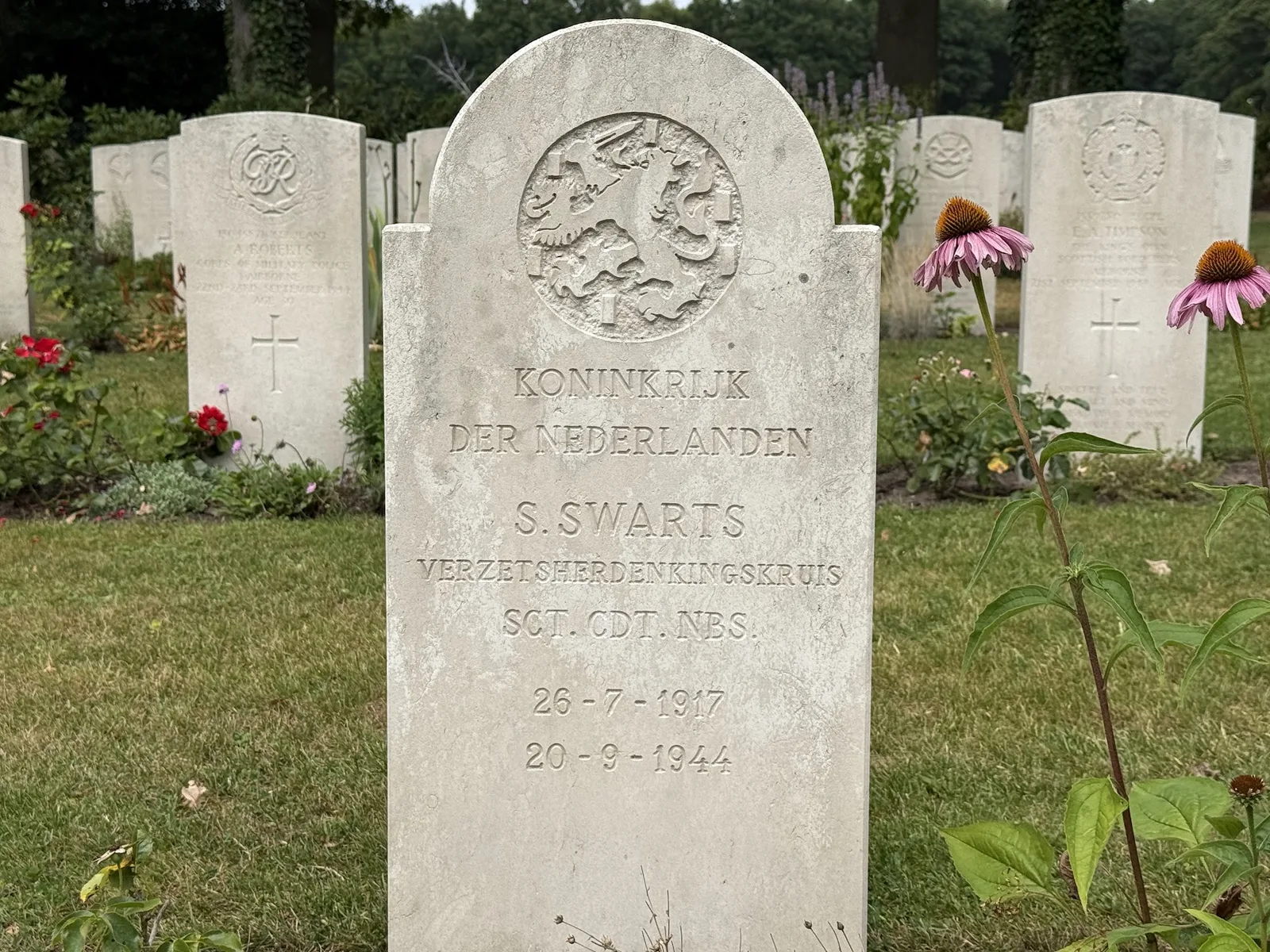
The Arnhem Oosterbeek War Cemetery holds the dead of September 1944, mostly British airborne and the airmen who flew them in and kept them supplied. They lie in long even rows. Among them is one headstone that does not match the pattern. The name on it is Dutch: Samuël Swarts. He was not a soldier and he was not British. He was a furniture maker from Amsterdam, and he was killed running water to the wounded.
Swarts was born in Amsterdam on 26 July 1917. He was Jewish. Shortly before the German invasion of May 1940 he married Jansje Canes. Their only child, a son, was born in December 1942 and lived two weeks.
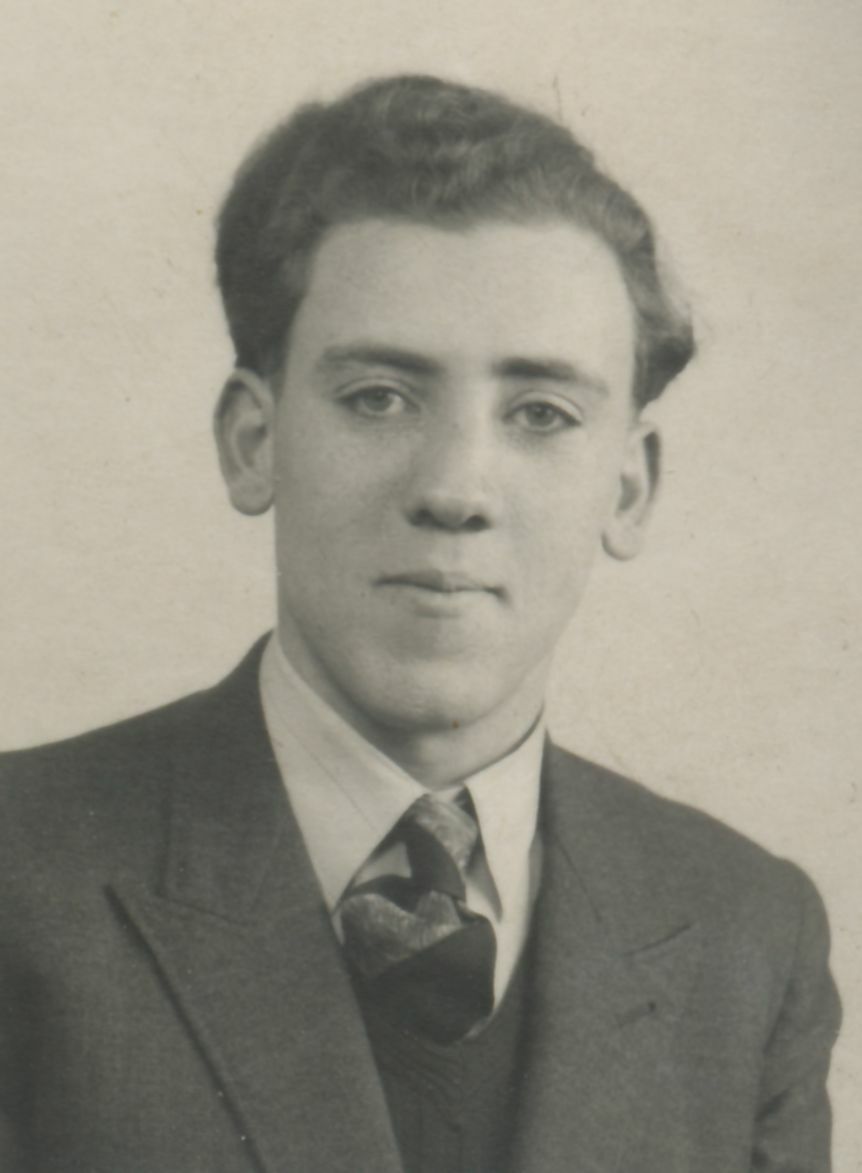
Under the occupation the couple were arrested as Jews and taken to the Hollandsche Schouwburg, the Amsterdam theatre the Germans used as an assembly point for deportation to the east. They got out through the window of a lavatory. Jansje went into hiding in the city and survived the war. Her parents and a sister did not; they were murdered at Sobibor and Auschwitz. Swarts moved east, to the village of Oosterbeek just outside Arnhem, and joined the resistance. He became a sergeant and section commander in the Binnenlandse Strijdkrachten, the Dutch interior forces.
On 17 September 1944 the British 1st Airborne Division dropped west of Arnhem, the far end of Operation Market Garden. The plan was to take the road bridge at Arnhem and hold it until the ground advance arrived. It did not arrive in time. Within days the division was pressed back into a shrinking perimeter around Oosterbeek, its back to the Rhine. Swarts stayed and worked through it, carrying wounded men and supplies to the dressing stations the medics had set up in the village’s hotels and houses.
By 20 September the perimeter was under constant fire and the water supply had been cut. The dressing stations were filling with wounded, and what water there was had to be carried in by hand.
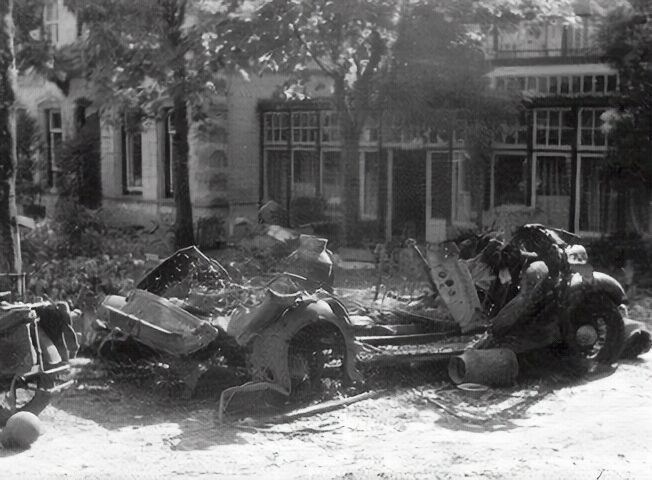
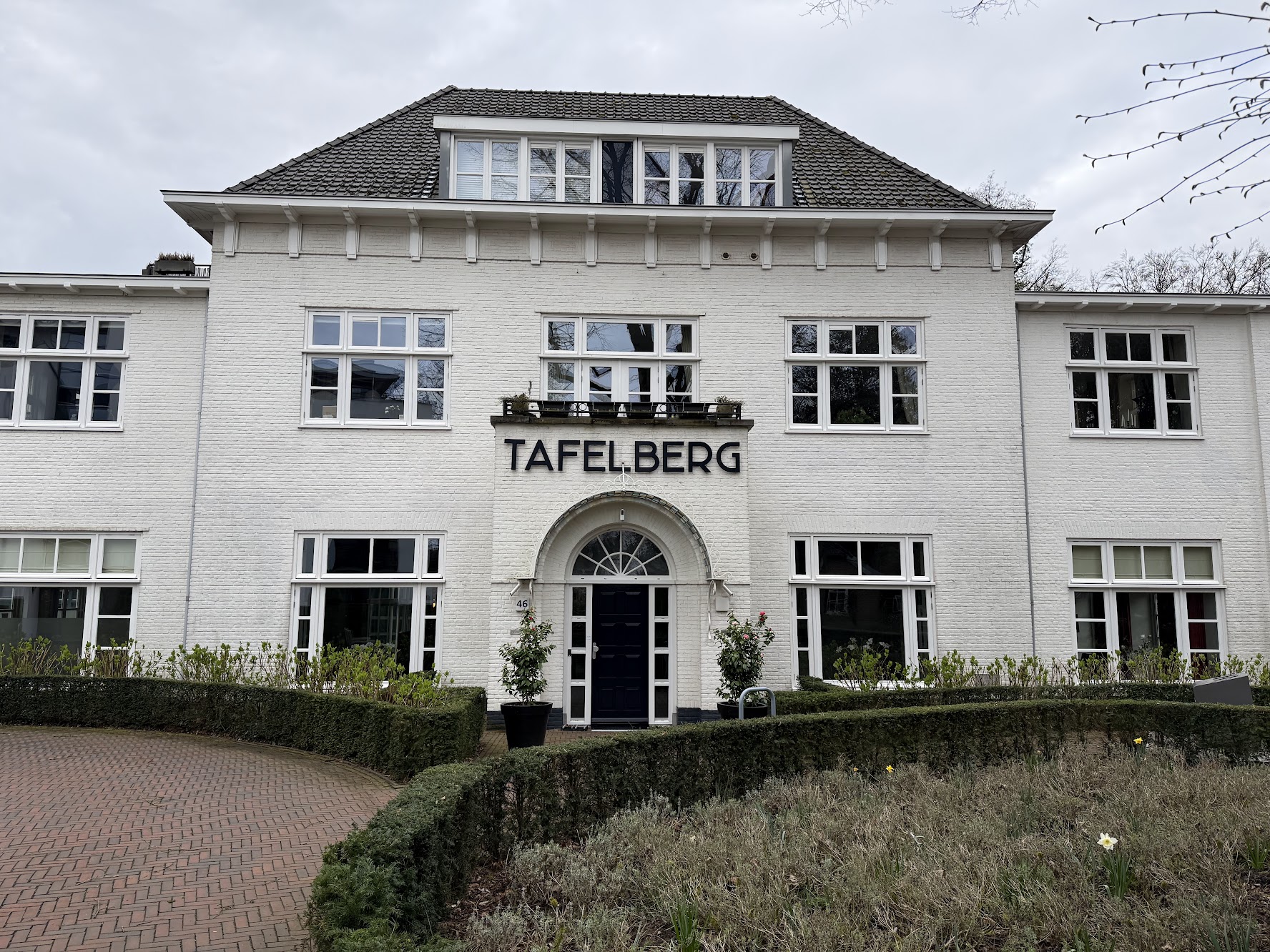
That day Swarts and another resistance man, Wim Gerritsen, filled milk churns with water and loaded them onto an old Ford. They set out for the Tafelberg Hotel, one of the main dressing stations in the perimeter. The car had just turned into the Pietersbergseweg when a German mortar round caught it. It burst into flames. British soldiers ran out and dragged Gerritsen clear, among them Colonel Graeme Warrack, the division’s senior medical officer. Swarts was at the wheel. He was killed at once, aged 27.
The Tafelberg still stands on the Pietersbergseweg, rebuilt after the war, and the Airborne cemetery lies a short way north at the edge of Oosterbeek. Both are fixed points on our Market Garden tours, and Swarts’s grave is one we stop at.
Swarts was first buried where he died, in a field grave in front of the Tafelberg he had been trying to reach. After the war his widow had him reburied in the Arnhem Oosterbeek War Cemetery, among the airborne he had carried water to.